
Dieudonné Gakire
Pronouns: He/him
Organisation: Dusego Empowerment Hub
Country of origin: Rwanda
Profile
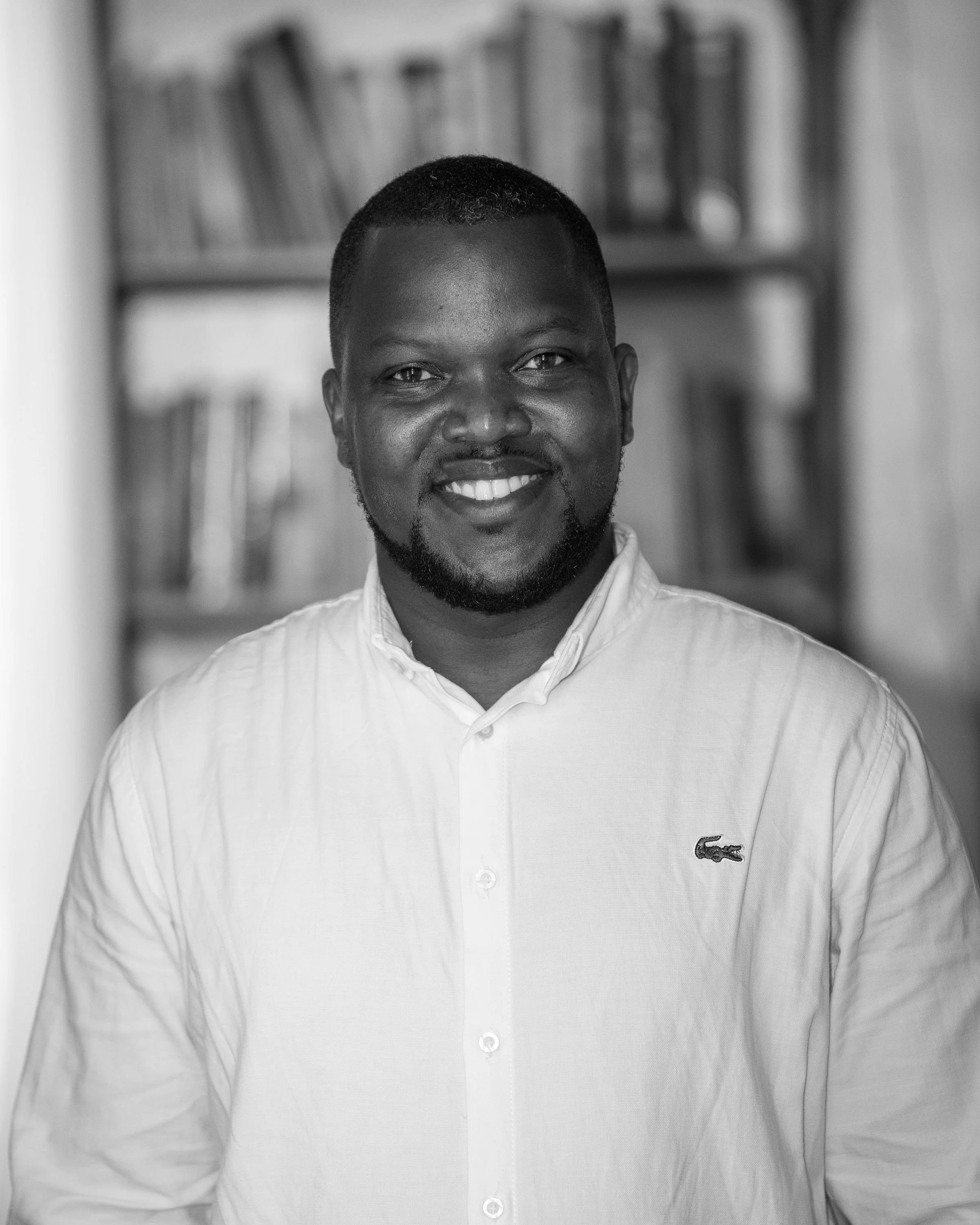
Dieudonné Gakire is a peacebuilder and an active community member based in Rwanda. He said he has been shaped by the cruelty of genocide and the aftermath of collective trauma and so, was driven by an internal responsibility to make a change. Since childhood, he has sought ways to help heal the Rwandan people. What started as school initiatives to educate his friends and classmates culminated in the Dusego Empowerment Hub – a community centre for youth from rural areas, helping them access education and extracurricular activities. It was built with the intention of fostering crucial skills for peace and reconciliation – knowledge, critical thinking and connection – in areas that are affected by poverty the most. Dieudonné wishes to create a brighter future for everyone – from his closest family members to people he has never met. He said that what for some is history, for others might be the present and even the future. ‘So, we must all feel responsible to make a difference.’
Story
‘For our generation, it is very important to feel responsible for what is happening around us, even beyond where we are physically.’ These words belong to Dieudonné Gakire, a peacebuilder who said he has made that responsibility the architecture of his life.
Dieudonné was only a child when the genocide in Rwanda began. He said that surviving and witnessing the blood-drenched pages of Rwandan history shaped him into the person he is today. But survival was only the beginning. Even after the killing stopped, the society around him remained deeply broken. From a young age, Dieudonné understood that Rwanda needed something more difficult to build than a ceasefire: it needed healing.
He said he started simply. He listened. He talked to people on all sides. ‘Not every Hutu was a killer,’ he said. ‘I discovered this after having conversations with other people.’ Those conversations opened his perspective, and gradually, he began turning what he was learning into something others could access too. He educated friends in high school, invited historians to give lectures, and visited memorials and historical sites. Most importantly, he kept asking questions. His idea was clear: for Rwanda to heal, its people needed to know the true history, and they needed a platform to speak about it.
Dieudonné said he understood that one of the root issues of society is poverty. He knew it was also one of the factors enabling the genocide. ‘If people know the importance of reconciliation and unity but still are poor and have no access to education and jobs, then in the future maybe they might kill another person to get what that person has,’ he said, adding that words were not enough. Change only comes through action.
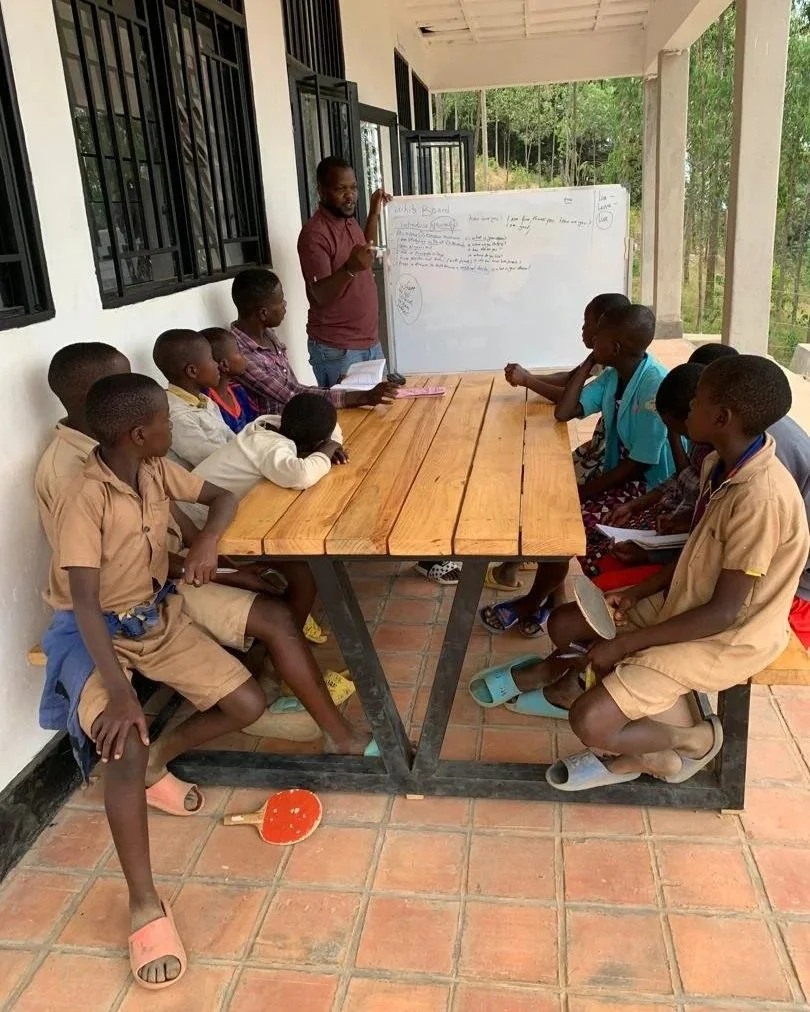
So, he developed the Dusego Empowerment Hub as a community centre designed to educate and connect young people. Its focus is on Rwanda's rural areas, where poverty is the most striking issue. He said the road to building it was not easy; funding was a major problem, but the centre now holds a library, a garden and a training space. Moreover, a guest house is currently in the works. The Hub was built with his father, who passed away, yet afterwards Dieudonné still found the strength to finish it alone. ‘I’m going to continue this for him,’ he said. Today, as a father himself, his purpose reaches even further: ‘I want this to be different for my daughter.’
Dieudonné said that after his father passed away, he was not left alone. He had his family and the community to fall back on, including young people, school representatives and government officials. They all participated in building the centre, from picking out which books belong in the library to deciding what kind of training practices to host. He said, it’s a place for a community built by a community. ‘This project is bigger than me.’
For youth seeking advice on peacebuilding, Dieudonné said that you don’t need to see Malala or read about national heroes like Mandela to get inspired. ‘Start within your circle’, and then you can begin to see this as medicine for yourself and the world.
‘Because yesterday it was us, today it’s Congo, Gaza and tomorrow it can be even you. You can’t feel safe if your neighbour is not safe.’